How to Choose a Domain Name for Website Visibility and Brand Growth
Print- 0
How to Choose a Domain Name for Website Visibility and Brand Growth
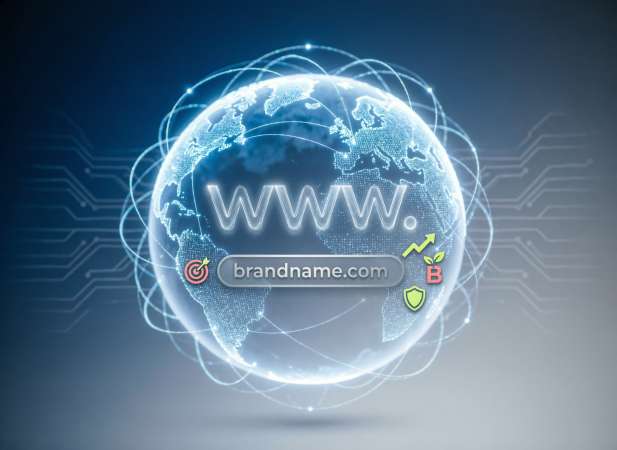
Your domain name is more than just a web address; it is the digital foundation of your brand identity and the first impression users have of your business. In today's competitive online landscape, selecting the right domain name significantly impacts your website visibility, search engine rankings, and long-term brand growth. Many entrepreneurs overlook this critical step, choosing names that are difficult to spell or irrelevant to their niche, which can hinder marketing efforts and reduce trust among potential customers.
At Madar Host, we understand that building a successful online presence starts with a strong strategic foundation. This guide is designed to walk you through the essential factors involved in choosing a domain name that resonates with your audience and supports your SEO goals. Whether you are launching a personal blog, an e-commerce store, or a corporate website, making an informed decision now will save you from costly rebranding later. Let us explore the key strategies to secure a domain that drives traffic and establishes authority.
Why Your Domain Name Matters More Than You Think
A domain name is often mistaken for merely a technical address required to access a website. In reality, it serves as the cornerstone of your digital identity and a critical component of your overall branding strategy. Within the hosting infrastructure, the domain is the primary entry point for users, influencing first impressions before a single page loads. A professional, well-structured domain signals credibility, whereas ambiguous or free subdomains can raise security concerns among savvy visitors and enterprise clients.
From a search engine optimization perspective, while exact-match domains no longer guarantee top rankings, the domain name significantly impacts click-through rates (CTR) in search engine results pages (SERPs). Users are more likely to click on a URL that appears trustworthy and relevant to their query. This user behavior signals quality to search algorithms, indirectly supporting organic visibility. Furthermore, a memorable domain reduces direct traffic loss caused by typos, ensuring that returning visitors can easily locate your platform without relying on bookmarks or search bars.
Brand equity is another crucial consideration. Your domain travels with you across marketing channels, from business cards to social media profiles. It becomes synonymous with your reputation. Changing a domain later involves complex DNS migrations, potential server downtime, and a temporary loss of search authority, making the initial selection a long-term investment. We observe that businesses with clear, authoritative domains tend to establish user trust faster, leading to higher retention rates. Therefore, treating domain selection as a strategic business decision rather than a procedural step is essential for sustainable online growth and robust cybersecurity posture.
Key Factors for Selecting the Perfect Domain Name
Selecting an optimal domain name requires balancing branding objectives with technical usability. The primary criterion is brevity and clarity. Shorter domains reduce the risk of typographical errors, ensuring seamless DNS resolution when users attempt to access your site. Avoid hyphens and numbers, as they create confusion during verbal communication and weaken brand recall. A clean URL structure enhances user experience (UX) and facilitates easier sharing across social media platforms. From a security standpoint, simple domains are less susceptible to typosquatting attacks where malicious actors register similar variations to phish users.
Relevance is equally critical. While exact-match keywords are less dominant in modern SEO algorithms, having a name that hints at your niche aids user intent recognition. However, prioritize brandability over keyword stuffing. A unique brand name builds equity over time, whereas generic names often face higher competition and trademark risks. Consider future scalability; a name too specific to a single product may limit expansion into new service verticals later. Your domain acts as the root directory for your digital assets, so it must accommodate growth without requiring complex redirects or migrations that could dilute search authority.
The choice of Top-Level Domain (TLD) also influences perception. While .com remains the gold standard for commercial entities due to its universal recognition, industry-specific extensions like .tech, .store, or .io can signal niche expertise. Ensure the chosen TLD aligns with your target audience's expectations and geographic focus. Additionally, verify availability across social media handles to maintain consistent branding identity. Finally, conduct a thorough trademark search to prevent legal disputes that could force a disruptive domain migration later. These foundational elements secure a stable digital asset capable of supporting long-term growth and establishing immediate trust with your audience. When integrated with reliable hosting infrastructure, a strong domain becomes the anchor for your SSL certificates and email authentication protocols, further solidifying your online presence. Complex names can sometimes cause issues with certain server configurations or email deliverability rates, so simplicity ensures technical compatibility across various hosting environments and control panels.
Keep It Short, Memorable, and Easy to Spell
Brevity in domain selection directly influences user experience (UX) and DNS resolution accuracy. Long or complex names increase the probability of typographical errors, leading to lost traffic and potential security risks via typosquatting. A concise domain enhances brand recall, ensuring customers can verbally share your URL without confusion. From a technical perspective, shorter strings reduce input friction on mobile devices, where keyboard errors are more common. This simplicity supports higher direct traffic volumes and strengthens overall brand equity. Additionally, simple domains integrate seamlessly with SSL certificates and email configurations, reducing administrative overhead during server setup.
Incorporating Keywords Without Keyword Stuffing
While relevance is vital, modern search algorithms penalize exact-match domains that appear manipulative. Incorporating primary keywords naturally helps search engines understand your niche, but over-optimization can trigger spam filters. Focus on semantic relevance rather than forcing multiple keywords into the URL. A balanced approach aligns with E-E-A-T guidelines, signaling authority without compromising readability. Your domain should reflect your core services while maintaining a natural language flow. This strategy ensures long-term SEO sustainability, avoiding penalties associated with aggressive keyword stuffing while still providing contextual signals to crawlers regarding your content's subject matter. Ultimately, the goal is to balance discoverability with brand integrity, ensuring the domain serves as a trustworthy asset within your hosting environment.
Choosing the Right Domain Extension (.com, .net, .org)
The Top-Level Domain (TLD) serves as a critical signal regarding your website's jurisdiction and purpose. While the .com extension remains the global standard for commercial enterprises, offering the highest level of immediate user trust and recall, availability is increasingly scarce. Search engines and users alike associate .com with established businesses, reducing friction in customer acquisition. Alternative generic TLDs (gTLDs) like .net originally served network infrastructure providers but are now acceptable tech alternatives. The .org extension is traditionally reserved for non-profit organizations and NGOs, conveying a sense of community and public service. Misusing these can confuse visitors regarding your entity type.
Country Code Top-Level Domains (ccTLDs), such as .us or .ae, are crucial for geo-targeting strategies. They signal to search engines that your content is relevant to a specific region, significantly improving local SEO performance. Newer generic extensions (.tech, .store) offer branding opportunities for niche markets but may face initial skepticism from older demographics accustomed to traditional extensions. From a technical security standpoint, certain extensions enforce stricter WHOIS verification processes, enhancing your overall security posture.
Email deliverability can also vary; some lesser-known TLDs are occasionally flagged more aggressively by spam filters compared to established extensions, impacting communication reliability. When configuring DNS records and SSL certificates, the TLD choice does not affect server performance but significantly impacts perceived legitimacy. Select the extension that aligns with your organizational structure and target audience expectations to maximize credibility and minimize friction in user acquisition. A well-chosen TLD complements your hosting environment, ensuring smooth propagation and reliable resolution across global nameservers.
Brandability vs. Exact Match Domains: What's Best for You?
The strategic choice between brandable domains and Exact Match Domains (EMD) defines your digital trajectory. Historically, EMDs containing primary search queries offered a significant ranking advantage. However, following Google's EMD update, the algorithm now prioritizes high-quality content and brand authority over URL matching. While an EMD like "BestWebHosting.com" clearly signals niche relevance, it often lacks distinctiveness and can appear generic to users seeking trusted service providers. This perception impacts click-through rates and overall user engagement metrics.
Brandable domains focus on unique identity construction, fostering stronger brand equity and allowing scalability beyond a single service vertical. From a legal perspective, brandable names reduce the risk of trademark infringement disputes common with descriptive EMDs. They also enhance marketing efficiency, as unique names are easier to protect across social media channels and intellectual property registries. Search engines increasingly associate unique brands with higher E-E-A-T scores, viewing them as established entities rather than affiliate sites built solely for search traffic. This distinction is crucial for building long-term organic visibility.
Choosing between them depends on your strategic horizon. If the goal is a single-page affiliate site targeting specific long-tail keywords, an EMD might suffice temporarily. However, for sustainable business growth, customer retention, and robust digital asset valuation, a brandable domain is superior. It allows pivotability without losing accumulated domain authority during migrations. Ultimately, the domain should support your hosting infrastructure and business logic, serving as a stable anchor for SSL security, email authentication, and future service expansion without being constrained by descriptive limitations. A strong brand name integrates seamlessly with control panels and client portals, reinforcing professionalism at every touchpoint.
Avoiding Common Legal and Trademark Pitfalls
Neglecting trademark research can lead to severe consequences, including Uniform Domain-Name Dispute-Resolution Policy (UDRP) proceedings. Registering a name infringing on existing intellectual property risks forced domain suspension or transfer without compensation. Beyond legal fees, involuntary migration disrupts DNS propagation, SSL certificate validity, and corporate email services, causing significant operational downtime. Always conduct comprehensive searches in global trademark databases before registration. Ensure WHOIS data accuracy to maintain compliance with ICANN regulations, as inaccurate registrant information can void ownership rights during disputes. Proactive legal due diligence protects your digital assets from costly litigation and ensures stable server connectivity. Furthermore, avoid names resembling competitors to prevent consumer confusion and potential cease-and-desist orders that could halt business operations.
How Your Domain Name Impacts SEO and Visibility
While domain names are not a direct ranking factor, they influence indirect SEO metrics crucial for visibility. A trustworthy URL improves Click-Through Rate (CTR) from SERPs, signaling relevance to search algorithms. Brandable domains foster repeat visits and direct traffic, reducing bounce rates and improving session duration. Conversely, spammy-looking names may trigger manual reviews or filter penalties within search consoles. Proper DNS configuration linked to a reputable domain enhances crawl budget efficiency, allowing bots to index content faster. Ultimately, a credible domain supports E-E-A-T signals, helping search engines validate your site as an authoritative source within your hosting environment. This structural integrity ensures long-term organic growth without reliance on paid advertising. A solid domain foundation complements technical SEO efforts, ensuring that server response times and security protocols align with search engine expectations for high-performance websites.
Final Checklist Before You Register Your Domain
Before completing your registration, conduct a comprehensive trademark search to avoid legal disputes and potential UDRP proceedings. Verify spelling variations to prevent typosquatting, securing common misspellings to protect traffic flow. Ensure consistency across social media platforms by checking handle availability, maintaining unified brand identity. Review the registrar's renewal pricing structure to avoid unexpected cost increases after the initial term. Confirm that WHOIS privacy protection is included to safeguard personal data from public directories and spam. These steps mitigate legal risks and ensure administrative security.
Technically, verify that the domain supports immediate DNS management and nameserver customization within your hosting control panel. Ensure compatibility with SSL certificate issuance for encrypted connections, which is critical for security protocols and search engine trust. Check domain lock features to prevent unauthorized transfers or hijacking attempts. Evaluate the grace period and redemption policies in case of accidental expiration, ensuring business continuity. Consider email deliverability implications; some extensions face stricter spam filtering. Finally, consider future scalability; ensure the name allows for service expansion without requiring complex migrations that could disrupt server connectivity or dilute search authority. This due diligence secures a stable digital asset capable of supporting long-term infrastructure growth and reliable DNS propagation across global networks.
Frequently Asked Questions About Choosing a Domain Name
How long should a domain name be for optimal SEO?
Ideal domain lengths range between 6-14 characters. Shorter names reduce typographical errors and improve mobile usability, while still allowing room for brand distinction. Search engines do not penalize longer domains directly, but user behavior metrics like CTR and bounce rate may suffer if the URL appears spammy or difficult to remember.
Can I change my domain name after my website is live?
Yes, but migrating domains involves complex DNS propagation, 301 redirect implementation, and potential temporary SEO fluctuations. Search engines must re-crawl and re-index your content under the new URL, which can take weeks. We recommend selecting your primary domain carefully from the start to avoid authority loss and broken backlinks.
Should I purchase multiple domain extensions to protect my brand?
Securing common variations (.com, .net, .org) and relevant ccTLDs prevents competitors or cybersquatters from capturing your traffic. Redirect these secondary domains to your primary site using canonical tags to consolidate link equity. This defensive registration strategy strengthens brand protection without diluting SEO value.
Do hyphens or numbers in domain names hurt search rankings?
While not a direct ranking factor, hyphens and numbers reduce verbal shareability and increase user confusion. They may also signal low-quality or spammy sites to both visitors and algorithms. For optimal trust and memorability, prioritize alphanumeric names without special characters.
What happens if I forget to renew my domain registration?
Expired domains enter a grace period, then redemption phase, before becoming publicly available. During this window, your website and email services will stop resolving, causing immediate business disruption. Enable auto-renewal and maintain updated payment methods to ensure continuous DNS resolution and service availability.
How can I verify if a domain name is trademarked before registering?
Search official trademark databases like USPTO, WIPO, or EUIPO for existing registrations. Additionally, perform broad web searches to identify unregistered but commonly used brand names. This due diligence prevents costly UDRP disputes and potential forced domain transfers after investment in branding and hosting setup.
Is it better to register my domain and hosting with the same provider?
Consolidating services simplifies DNS management, SSL installation, and technical support coordination. However, keeping them separate can provide flexibility during provider migrations. Evaluate based on your technical comfort level and long-term infrastructure strategy, ensuring nameserver access remains under your control regardless of arrangement.
Does my domain name affect email deliverability and professional communication?
Yes. Domains with poor reputation history or suspicious extensions may trigger spam filters. Configure SPF, DKIM, and DMARC records properly to authenticate outgoing mail. A clean, professional domain paired with correct DNS authentication significantly improves inbox placement rates for business communications.